IoT in Healthcare with Quantum AI: Trends, Challenges, and Future Outlook 2026
ByNewsdesk The integration of quantum chips into healthcare Internet of Things (IoT in Healthcare) ecosystems is accelerating transformative innovation worldwide. Quantum chips offer exponentially higher processing power compared to traditional silicon-based processors, enabling faster real-time diagnostics, improved remote patient monitoring, and more secure data exchanges (MIT Technology Review, 2024). These advancements enhance the role of IoT in Healthcare by unlocking the potential of precision medical interventions and global-scale patient data analytics.
From early disease detection to personalized treatment plans, the convergence of IoT, health sensors, and quantum computing demonstrates the urgency for policymakers and industry leaders to align investments with future-ready digital infrastructures (Nature, 2024).
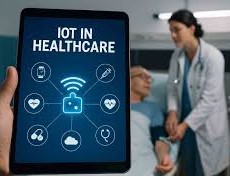
Benefits of IoT in Healthcare
1. Real-Time Patient Monitoring
IoT-enabled wearable devices allow continuous tracking of patient vitals such as heart rate, glucose levels, and oxygen saturation. These innovations reduce hospital readmissions and support preventive healthcare strategies (WHO Report, 2023).
- Remote monitoring decreases ER visits by up to 25% in pilot programs (McKinsey, 2024).
- Data-driven alerts assist in faster emergency interventions.
2. Enhanced Operational Efficiency
Hospitals leveraging IoT systems for equipment tracking and predictive maintenance cut operational costs by 15–20% (Deloitte, 2023). This strengthens sustainability goals while optimizing patient care delivery.
3. AI-Powered Analytics
When combined with Artificial Intelligence, IoT generates actionable insights for population health management. Predictive models powered by IoT data allow clinicians to design tailored care pathways (PwC, 2023).
Industry-Wise Adoption of IoT in Healthcare
Hospitals and Clinics
Hospitals are deploying IoT systems for asset tracking, staff management, and digital twins for surgical planning. The Mayo Clinic’s digital twin initiative uses IoT-integrated sensors to simulate patient-specific surgery outcomes (Harvard Business Review, 2023).
Pharmaceutical Sector
IoT in pharmaceuticals ensures supply chain integrity through smart packaging, blockchain integration, and cold-chain monitoring, reducing counterfeit risks (FDA Report, 2024).
Telemedicine and Remote Care
The surge of telemedicine during COVID-19 continues with IoT-based platforms enabling home diagnostics, such as connected ECG monitors, which reduce dependency on physical visits (Lancet Digital Health, 2024).
Elderly and Chronic Care
IoT adoption in elderly care—via fall detection devices and smart home integrations—reduces caregiver burden and enhances independent living outcomes (OECD, 2023).
Category: Uncategorized

